Consumer Cooperative (CC) and Cooperation
The site presents a knowledge base that includes materials from various experts and sources, including lectures from specialists with experience in the field of cooperation. The basis of this knowledge base is a detailed explanation of how citizens can use a consumer cooperative (CC) as a legal tool to protect assets in modern financial conditions.
Our Courses
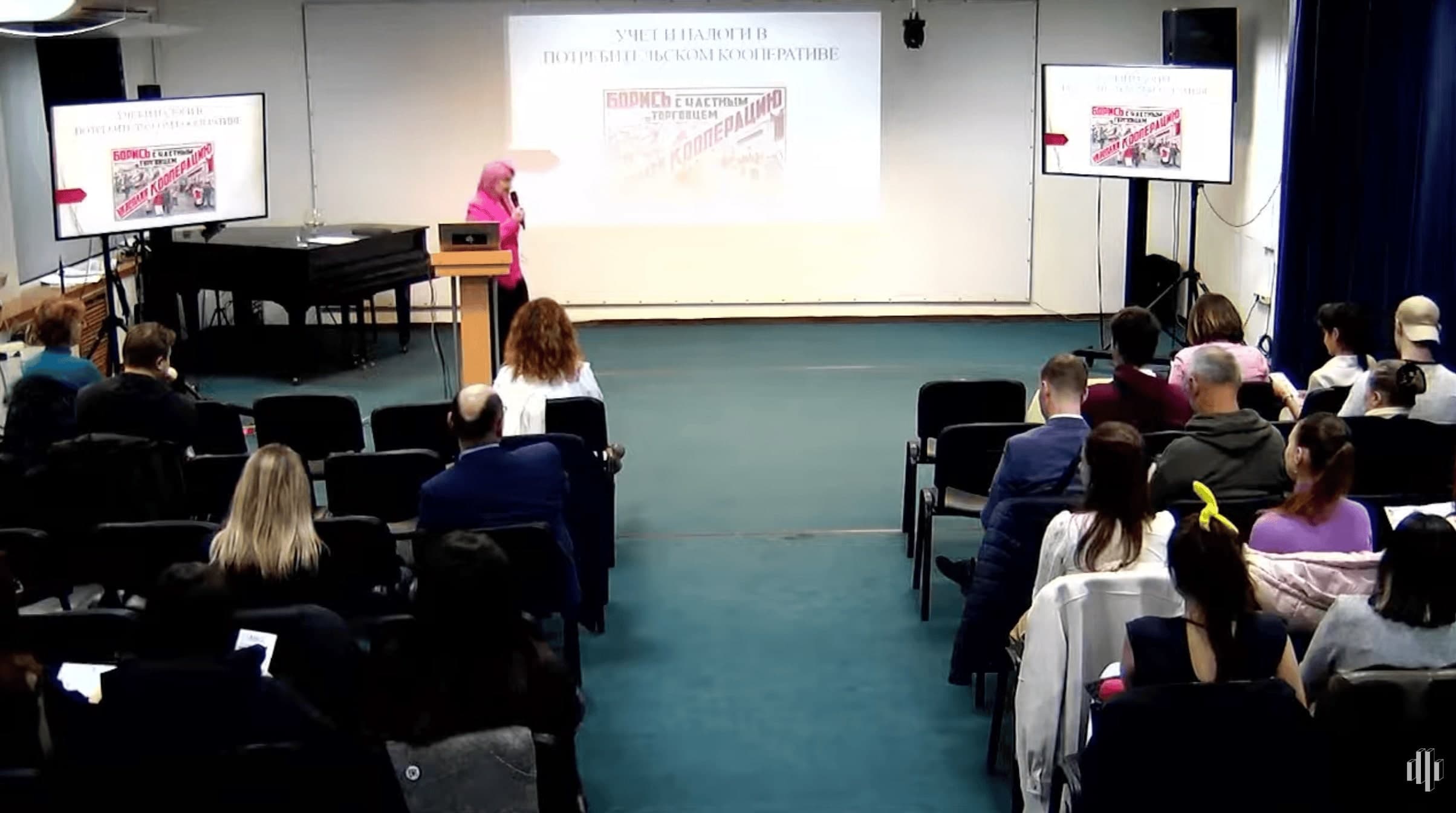
Lecture by Economist Elena Bikasova
Accounting and Taxes in Consumer Cooperatives (CC).
According to economist Elena Bikasova's lecture, the topic of accounting and taxation in consumer cooperatives (CC) is complex and controversial due to imperfections in legislation and differing understandings of the nature of cooperation among participants and state authorities themselves.
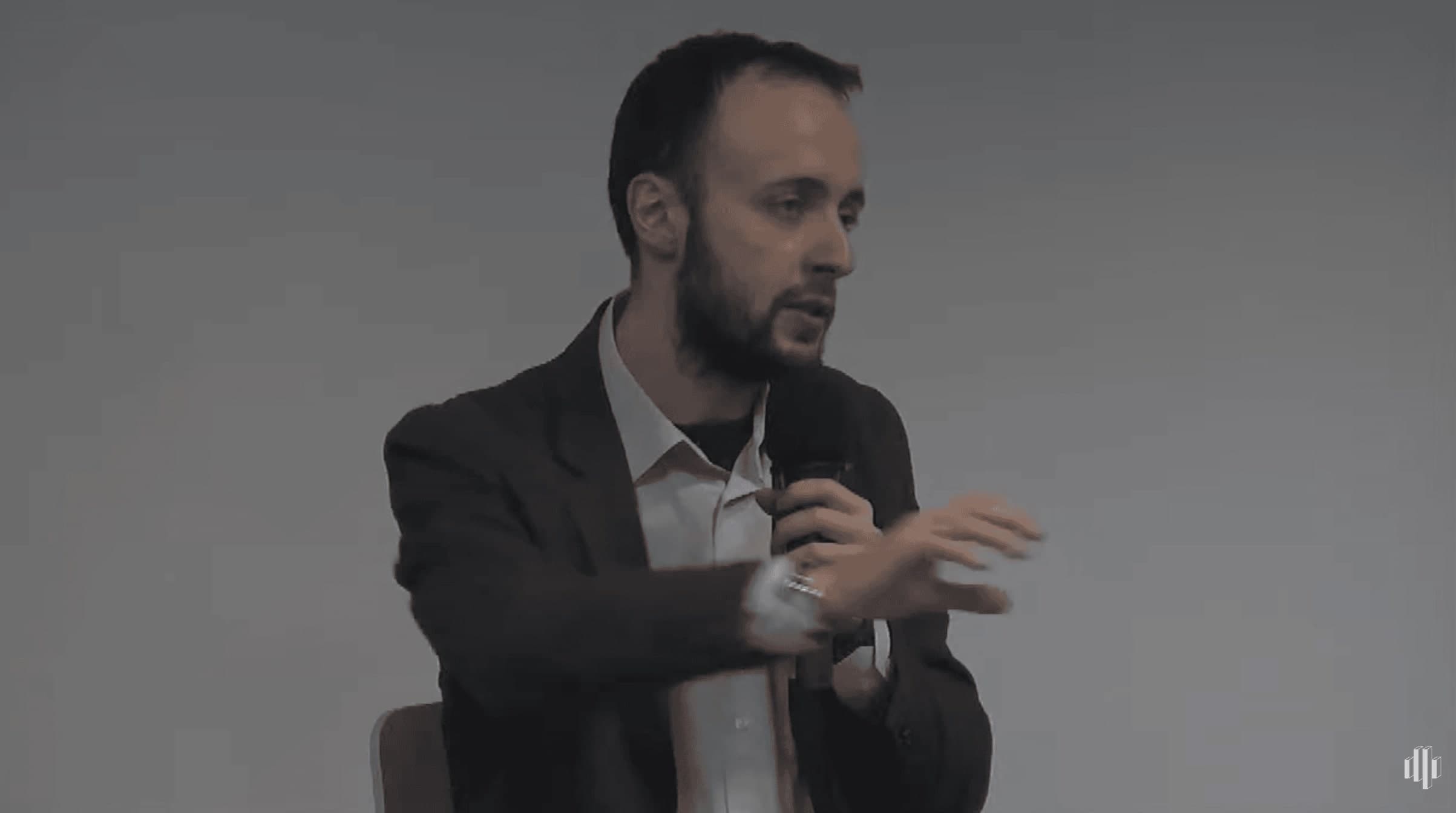
Lecture by Rustam Guseynov
Experience of Production Cooperation in the Field of Information Technology
Rustam Guseynov compares building a cooperative not to "fun surgery" where passersby are invited to participate in the operation, but to the work of a special forces unit or a neurosurgeon. First, a narrow group of professionals (the core) rigorously plans the operation, takes full responsibility, and authoritatively cuts out the unnecessary to create a safe space (operating room), within which complex and fragile life (self-management and democracy) can then develop. If everyone is let in without preparation right away, the "patient" (cooperative) will die.
Lecture by Svetlana Doroshkevich
Consumer Cooperative (CC) and Cooperation
"Legal Foundations and Definitions" is considered the foundation that enables the consumer cooperative (CC) to function as an autonomous, protected system ("a state within a state"). Below is a detailed overview of the legal framework, key definitions, and legal mechanisms mentioned in the transcript.